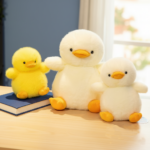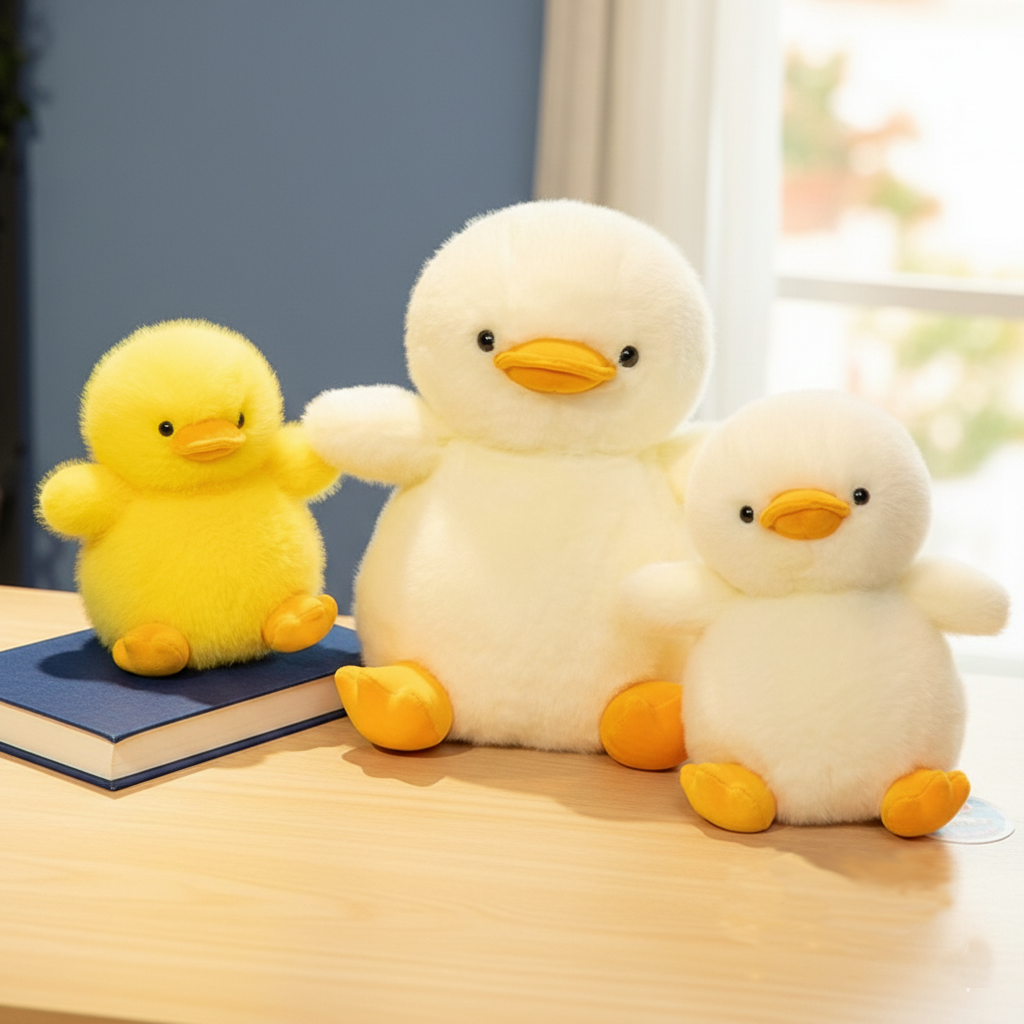
Plush toys act like environmental sponges, absorbing dust, skin oils, and allergens that can irritate your lungs and skin. Beyond health, “caring” for them—such as brushing the fur or mending small tears—prevents the fibers from matting into a rough texture and keeps the seams from failing. Essentially, a little maintenance ensures your plushie remains a soft, safe companion rather than a dusty relic, preserving both its physical structure and the sentimental memories it holds. Here’s a practical guide on how to care for plush toys correctly.
1. The Simplest Way:Regular Dusting and Light Cleaning
Plush toys easily collect dust, especially when displayed on shelves or beds.
- Gently shake the toy outdoors to remove loose dust.
- Use a soft brush or lint roller to clean the surface.
- A handheld vacuum on low power can help remove dust without harming the fabric.
2. Washing:
Before you touch water or soap, you need to look for two things:
To check the tag, does it say “Machine Washable,” “Hand Wash Only,” or “Surface Wash Only”? If the tag is missing, assume it’s delicate.
Feel around inside, are there battery packs, voice boxes, or beans? If there are electronics, never submerge it. You also need to look for loose seams or holes, if you wash a toy with a hole, it might explode its stuffing in the machine.
Hand Washing for Delicate Plush Toys
Hand washing is the safest method for most plush toys, especially handmade or delicate ones.
- Fill a basin with lukewarm water and add a small amount of mild detergent.
- Gently press and squeeze the toy—avoid twisting or scrubbing.
- Rinse thoroughly with clean water to remove soap residue.
This method helps preserve stitching and fabric texture.
Machine Washing
If the care label allows machine washing:
- Place the plush toy in a mesh laundry bag or pillowcase for protection.
- Use a gentle cycle with cold or lukewarm water.
- Choose a mild detergent and avoid fabric softeners or bleach.
Never wash plush toys with heavy items like jeans or towels, as they can cause damage.
3. How to dry it?
The most important thing to remember is that heat is the enemy; because most plush fur is made of synthetic fibers, high dryer settings can cause “dryer burn,” permanently melting the fluff into a crunchy, matted texture. To dry them safely, first roll the toy in a clean towel and press firmly to squeeze out excess water—never wring it, as this can warp the stuffing. Then, let it air-dry in a well-ventilated area, ideally in front of a circulating fan to prevent any musty smells from forming inside. Once it’s 100% dry, give the fur a gentle grooming with a soft-bristled brush to separate the fibers and restore that “like-new” softness.
4. Storage and Everyday Care
When not in use:
- Store plush toys in a clean, dry place.
- Avoid damp environments to prevent mildew.
- Use breathable storage bags instead of plastic for long-term storage.